UK Vape Tax 2026: How Much More Will You Pay?
The Vaping Products Duty is a new excise tax specifically targeting the liquid components of e-cigarettes. Historically, vaping products in the UK were only subject to standard VAT (20%).
Tags Cloud
The New Reality for UK Vapers
If you’ve walked into a vape shop lately or scrolled through your favorite online juice supplier, there’s a heavy cloud of uncertainty hanging over the counters. It isn’t just about the flavor bans or the disposable crackdown—it’s about the wallet-hitting reality of the Vaping Products Duty.
For years, vaping has been the "affordable" alternative to the skyrocketing costs of combustible tobacco. But as of 2026, the financial landscape is shifting. The UK government is introducing a tiered tax system that will fundamentally change how much you pay for every milliliter of e-liquid. Whether you are a beginner using pre-filled pods or a professional hobbyist mixing high-VG shortfills, your monthly budget is about to be recalculated.
We understand the frustration. You made the switch to improve your health and save money, and now it feels like you're being penalized for it. This guide isn't here to sell you hardware; it’s here to provide a clear, expert-driven roadmap of exactly what is changing, why it's happening, and how you can navigate the new costs without returning to cigarettes.
What Is the UK Vape Tax 2026?
The Vaping Products Duty is a new excise tax specifically targeting the liquid components of e-cigarettes. Historically, vaping products in the UK were only subject to standard VAT (20%). However, following the 2024 Spring Budget and subsequent legislative refinements, the government decided to introduce a specific levy on e-liquids based on their nicotine content.
How It Works
The tax is applied at the point of manufacture or importation. This means by the time the product reaches the shelf of your local vape shop, the tax is already baked into the wholesale price. Retailers will then apply their margins and VAT on top of this taxed amount.
Example Scenario:
Currently, a 10ml bottle of nicotine salt might cost you £3.99. Under the new 2026 rules, if that liquid has a high nicotine concentration, the tax alone could add over £3.00 to the base cost before the shop even takes its cut.
Who Is It For?
The tax applies to all consumers of nicotine-containing and nicotine-free e-liquids in the UK.
· Beginners: Will see the sharpest price increases in pre-filled pods and disposables.
· Intermediate Users: Will notice 10ml bottles becoming significantly more expensive.
· Advanced Users/Pros: Shortfills (which were previously a loophole) will now be taxed even if they are nicotine-free at the point of sale.
Why You Need to Understand the UK Vape Tax
The introduction of this tax isn't just about revenue—it's a multi-pronged policy shift. Understanding the "why" helps vapers anticipate future changes in the market.
1. The Youth Vaping Epidemic
The primary driver cited by the government is the rise in "Generation Vape." By increasing the price of entry-level products (like disposables and pre-filled pods), the government aims to make vaping less financially accessible to minors.
2. Bridging the Price Gap with Tobacco
The government simultaneously increased the Tobacco Duty. The goal is to ensure that while vaping remains cheaper than smoking, the "price incentive" doesn't lead to a surge in non-smokers picking up a vape habit. They want to maintain a "price delta" that encourages smokers to quit but discourages everyone else from starting.
3. Economic Impact and the NHS
Proponents argue that the funds generated—estimated to be in the hundreds of millions—will help offset the long-term healthcare costs associated with nicotine addiction and the environmental cleanup of vape waste.
How Much More Will You Pay? The Tiered Breakdown
The 2026 tax isn't a flat rate. It is a tiered system designed to penalize higher nicotine strengths more heavily. This is a critical distinction for "Heavy" vs. "Social" vapers.
Let’s Do the Math:
· 10ml Nic Salt (20mg): Tax adds £3.00. Current price £3.99 → New Price ~£7.50+
· 50ml Shortfill (0mg): Tax adds £5.00. Current price £10.00 → New Price ~£16.00+
· 100ml Shortfill (0mg): Tax adds £10.00. Current price £15.00 → New Price ~£27.00+
Key Features to Consider Before the Tax Hits
When the tax goes live, the "value" of your vaping gear changes. You need to look at your setup through a "consumption efficiency" lens.
1. Device Efficiency (Wattage vs. Consumption)
Higher wattage devices (Sub-ohm) vaporize liquid faster. If you are vaping 100ml a week at 80W, your tax burden will be nearly £40 extra per month.
· The Move: Many "Pros" are expected to move toward lower-wattage MTL (Mouth-to-Lung) kits to preserve liquid.
2. The End of the Shortfill Loophole
For years, buying 50ml or 100ml bottles of 0mg juice and adding "nic shots" was a way to bypass certain regulations. The 2026 tax applies a £1.00 per 10ml levy even on nicotine-free liquid. This means the "bulk buy" savings will diminish significantly.
3. Nicotine Strength Strategy
Since the tax jumps at 11mg, users currently vaping 12mg or 18mg are in the highest tax bracket.
· The Strategy: Dropping to 10mg could save you £1.00 per bottle in tax alone.
4. Registered Producers vs. Black Market
The tax will likely lead to a rise in unregulated, untaxed "home-brew" liquids. Experts warn against this, as registered producers must still adhere to TPD safety standards (heavy metal testing, emission checks). Buying "tax-free" from an unregistered source carries significant health risks.
Types of Vaping: Who Hits the Hardest?
Disposable Vapes
Disposables are already facing a separate ban or heavy restriction. If they survive in a limited capacity, the tax will make them nearly double in price.
· Best for: No one in 2026. They will be the most expensive way to vape.
Pod Systems (Pre-filled)
Users of brands like Vuse or Juul will see a massive price hike. Since each pod is roughly 2ml, a pack of 4 pods (8ml total) will attract a tax of £2.40 if high nicotine.
· Pros: Convenient.
· Cons: Highest cost-per-ml under the new tax regime.
Refillable MTL Kits
This is the "sweet spot" for 2026. Using 10ml bottles of 10mg nicotine liquid puts you in the middle tax tier while providing a satisfying experience.
· Best for: Most users looking to balance cost and performance.
DIY E-Liquid (Mixing)
Even the raw ingredients (VG/PG/Flavorings) may fall under "vaping products" definitions if sold for that purpose.
· Pros: Still the cheapest method.
· Cons: High complexity and potential for new regulations on base liquids.
Will the Tax on Vapes Work? (Expert Analysis)
There is significant debate among economists and health experts regarding the effectiveness of the UK Vape Tax 2026.
Expectations from the UK Vape Tax Increase
The government expects two things: a drop in teen usage and an increase in tax revenue. However, history shows that "sin taxes" often have unintended consequences.
· The Economic Impact: The vaping industry in the UK is worth billions and employs thousands. A sudden price hike could lead to "vape shop deserts" where only large tobacco corporations can afford the compliance costs.
· Public Health Risks: If the price of vaping approaches the price of cigarettes too closely, the "Quit or Die" segment of the population may simply stay with tobacco.
· The "Black Market" Factor: As seen in Australia and parts of the US, high taxes and bans often lead to a thriving underground market where products are not tested for Vitamin E Acetate or other harmful additives.
How to Choose Your Vaping Strategy for 2026
If you want to stay ahead of the price hike, follow this step-by-step decision framework:
1. Audit Your Current Consumption: Track how many ml you vape per week. If it's over 30ml, your costs will spike.
2. Evaluate Nicotine Levels: Are you at 12mg? Consider tapering to 10mg now to avoid the "High Nicotine" tax bracket (£3/10ml).
3. Invest in Hardware: Move away from high-power kits. A device that operates between 10W–15W will use significantly less liquid while providing a similar nicotine hit if you use salts.
4. Stock Up (Legally): While hoarding has its limits (liquid has an expiry date), purchasing your preferred shortfills before the April 2026 deadline is a legitimate way to save in the short term.
5. Switch to Refillables: If you are still on disposables or pre-filled pods, the time to switch is now. The learning curve is small, and the savings are about to become massive.
What Marketers Don't Tell You
Many brands will try to "shrinkflate" their products. Watch out for 8ml bottles or pods that look the same but contain less liquid. Also, be wary of "New Formula" labels that might just be a way to justify a price hike that exceeds the actual tax amount.
FAQ: Everything You Need to Know
1. When exactly does the UK vape tax start?
The tax is scheduled to be implemented in October 2026, following the timeline established in the 2024 budget and subsequent legislative reviews. This gives vapers and retailers time to adjust their stock and habits.
2. How much will a 10ml bottle of e-liquid cost in 2026?
Expect to pay between £6.50 and £8.00 for a high-quality 10ml bottle. This includes the £2–£3 tax, the base cost of the liquid, and the 20% VAT applied to the final total.
3. Does the tax apply to nicotine-free (0mg) juice?
Yes. To prevent tax evasion through shake and vape kits, the government is applying a £1.00 per 10ml tax on all e-liquids, regardless of nicotine content.
4. Will this tax make vaping more expensive than smoking?
Generally, no. A pack of 20 cigarettes currently costs between £12 and £16. Even with the tax, a 10ml bottle of liquid (which lasts most vapers 2–3 days) will be significantly cheaper than a daily smoking habit.
5. Can I avoid the tax by buying online from abroad?
Importing e-liquid for personal use will still be subject to Customs and Excise Duty. The Royal Mail and couriers are increasingly stringent on checking nicotine-containing products.
6. Will the tax affect hardware like coils and batteries?
No. The Vaping Products Duty is currently focused specifically on the "consumable" liquid. However, standard VAT still applies to all hardware.
7. Why is high-nicotine liquid taxed more?
The government believes higher nicotine concentrations are more addictive and primarily used by heavy smokers. The tiered tax aims to encourage people to use lower nicotine strengths over time.
8. What is the "Tobacco Duty" increase?
To ensure people don't switch back to smoking, the government is increasing tobacco tax by £2.00 per 100 cigarettes (or equivalent) at the same time the vape tax is introduced.
9. How will the vaping tax affect the economy?
It is expected to generate significant revenue for the Treasury, but it may lead to the closure of smaller independent "brick and mortar" vape shops that cannot survive the reduced margins or lower foot traffic.
10. Is there a limit on how much I can stock up?
Legally, there is no limit for personal use. However, e-liquid has a shelf life of roughly 1–2 years. Stocking up too early may result in "peppery" tasting juice or degraded nicotine.
Final Verdict: Is Vaping Still Worth It?
The 2026 UK Vape Tax is the biggest hurdle the industry has ever faced. For the consumer, it means the "golden era" of ultra-cheap vaping is ending. However, compared to the health and financial costs of smoking, vaping remains the superior choice.
Who should be worried?
Heavy users of high-wattage devices and those who rely on disposables. Your costs will double or even triple.
Who will be fine?
The "Smart Vaper" who uses refillable MTL kits, keeps their nicotine strength at 10mg or below, and buys from reputable UK vendors who offer loyalty programs to offset the tax.
The Bottom Line:
Don't let the tax drive you back to cigarettes. The cost of tobacco is still higher—both for your wallet and your lungs. Start adjusting your vaping habits today, transition to more efficient hardware, and you’ll be well-prepared when the new rules take effect.
Related Blogs and Vaping Guide
Top Reasons to Choose Hayati Pro Max Plus 6000 for Vaping
Top 5 Al Fakher Vape Kits UK: Ultimate Shisha-Style Guide
Why the IVG Nexio 10,000 Puff Vape Kit Is Trending in the UK
Vaporesso Xros Replacement Pods : Which One Should You Buy?
Best TPD-Compliant Big Puff Vapes UK - The Ultimate Guide

Al Fakher Crown Bar 600: The Ultimate DTL Shisha Pod Kit

Hayati Souvenir Edition Guide: Manchester Bee & 25K Puffs
Oxva Xlim 3 Ultra Vape Kit: A Perfect Daily Companion

Al Fakher 50k Hypermax Prime: How to Use & Pro Tips
Al Fakher Hypermax 30K UK Guide: Battery & Pod Performance
Why the Hayati Pro Max S1 Vape Kit Dominates UK Market?

How to Choose Nicotine Strength?

MTL Vaping Explained for Beginners

Crystal Pro Cp 10K - How To Use Guide UK

10 Best Nic Salt ELiquids for Beginners 2026 Bar Juice Guide

How to Use Nexay Crush 10k Vape Kit & Pods
Hayati Pro Ultra Plus 25k Vape Kit: 2026 UK Buyer’s Guide
The Best Starter Pod Vape Kits for Smooth Vaping
The 2026 UK Vape Tax: Implications and Trends
Buy Hayati Liora Vape Kit: 2026 Buyer’s Expert Guide

Hayati Liora Vape Kit: Built for Smooth Vaping
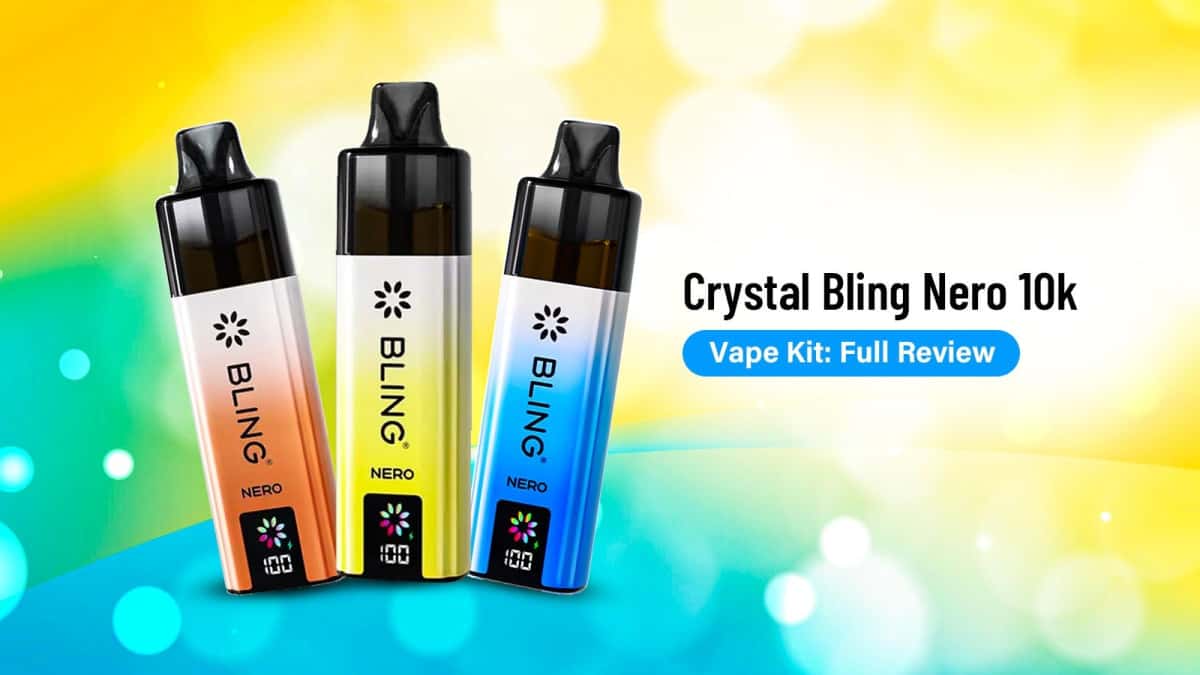
Crystal Bling Nero 10k Vape Kit: Full Review
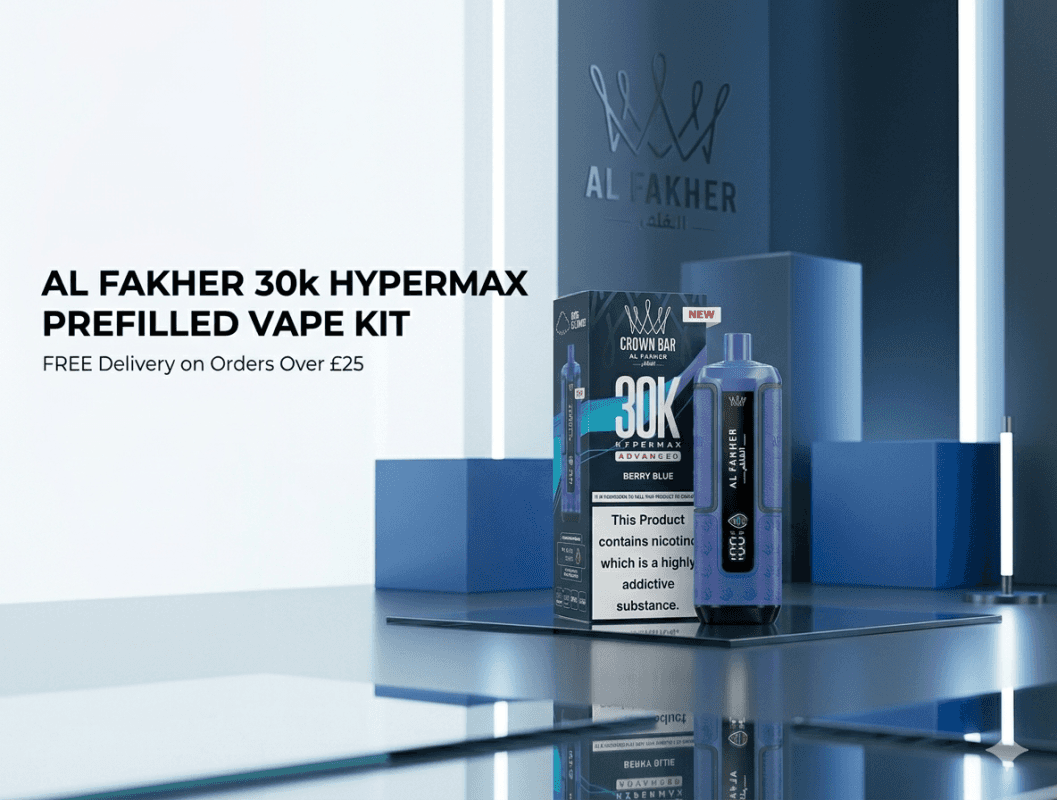
Al Fakher 30k Hypermax Prefilled Vape Kit:2026 Buyer’s Guide

Easter Limited Edition: The Ultimate Spring Vape Drop
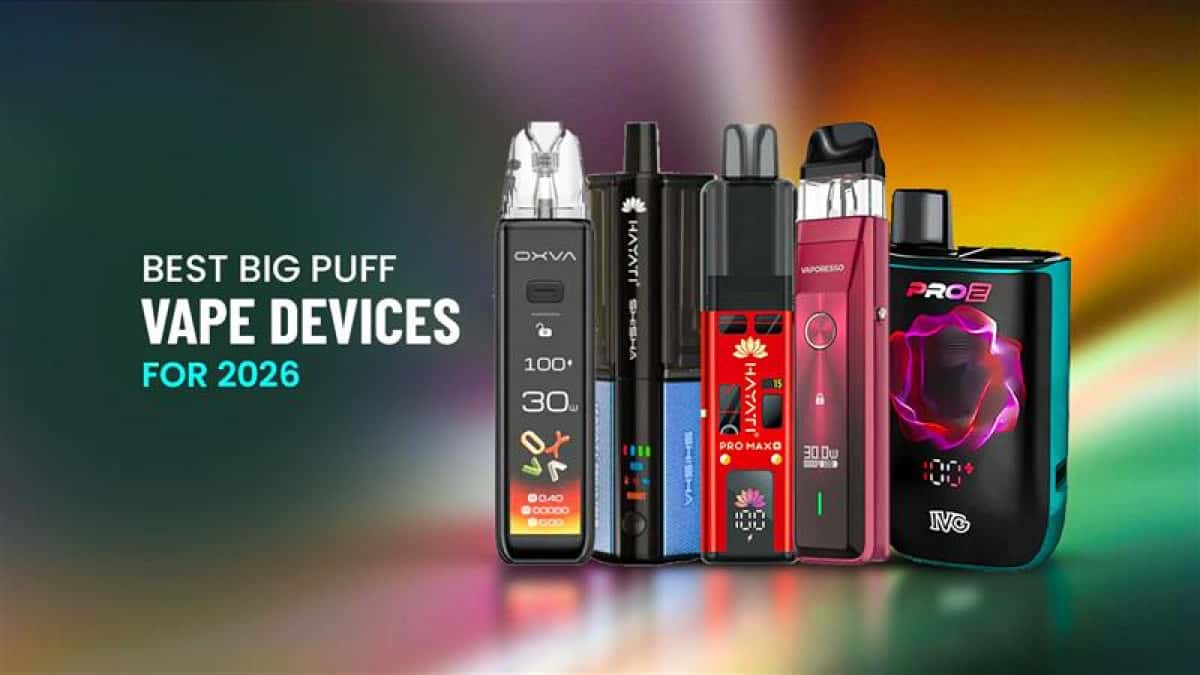
Best Big Puff Vape Devices for 2026

The Evolution Is Here: IVG Pro 2 Vape Device
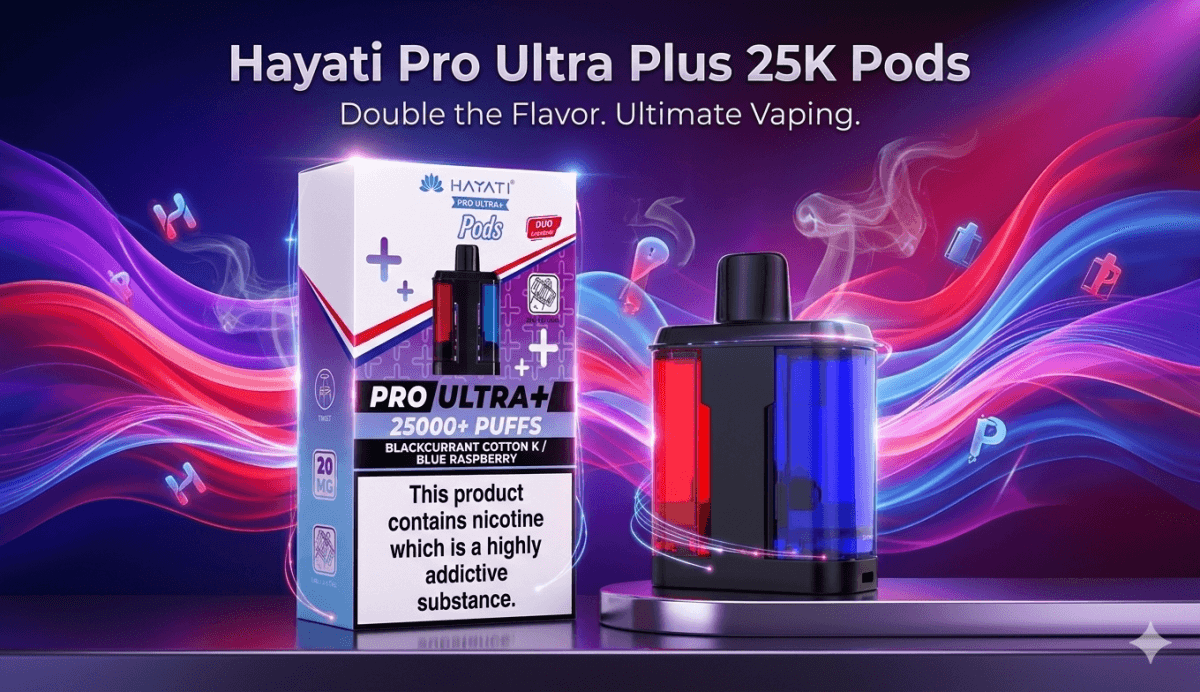
Hayati Pro Ultra Plus 25k Pods: You Need to Know Before Buy
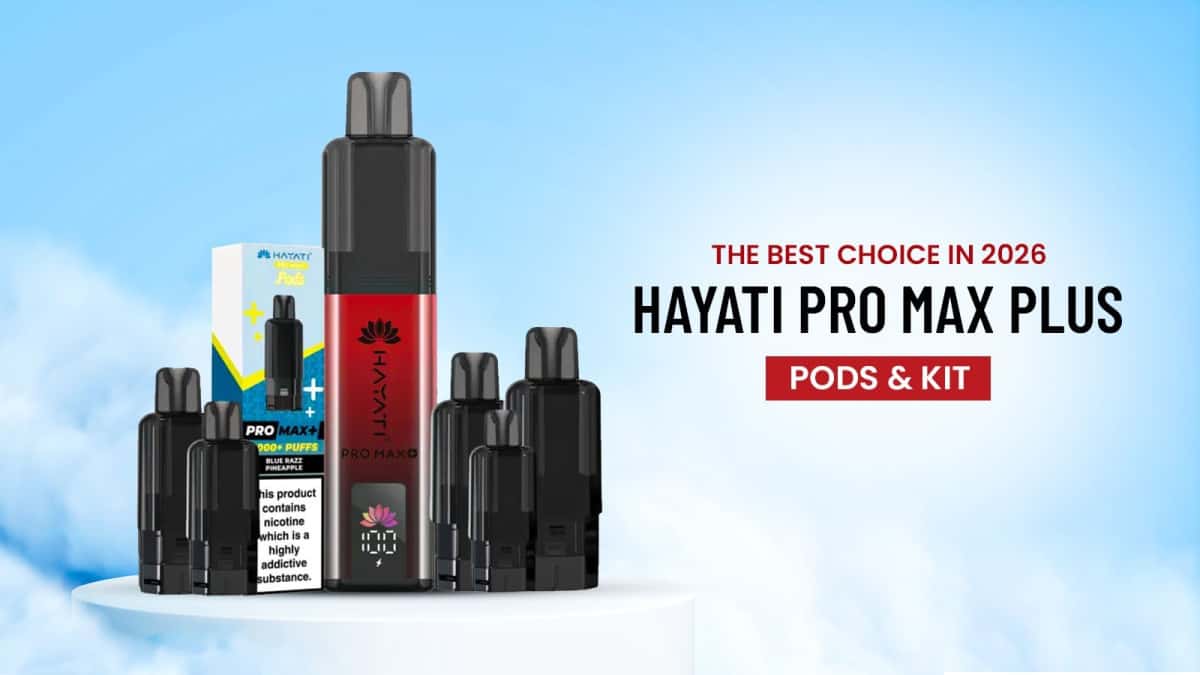
The Best Choice in 2026: Hayati Pro Max Plus Pods & Kit
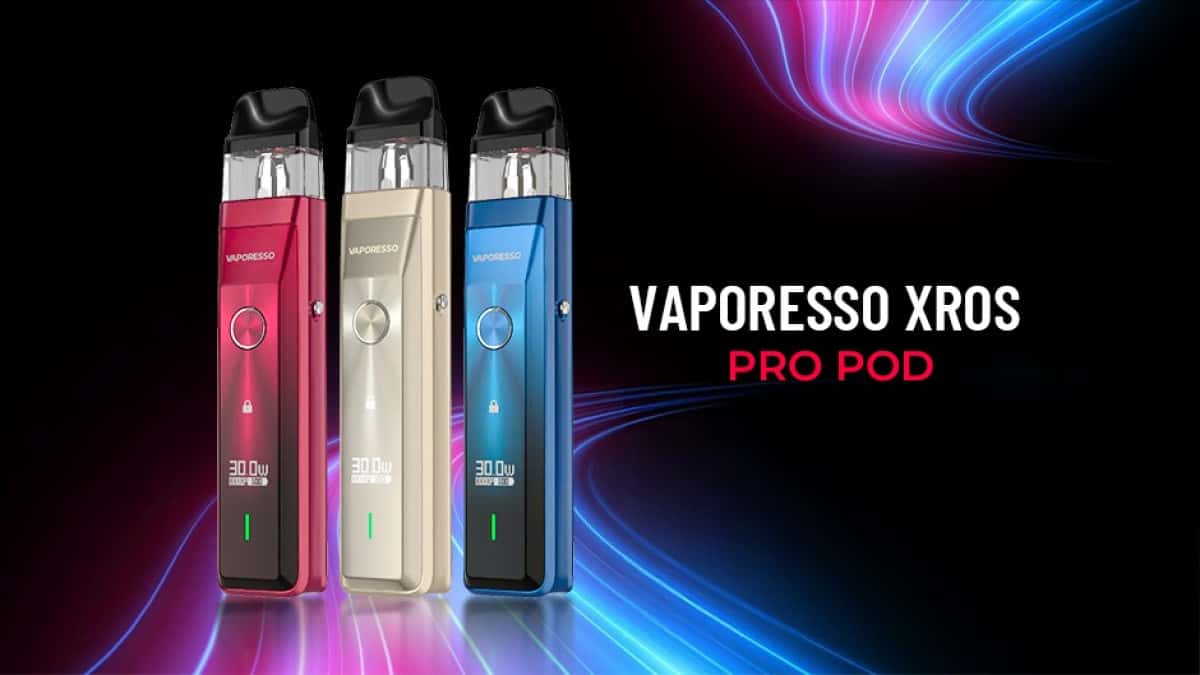
Vaporesso Xros Mini 3 vs Xros Pro: Pod Vape Comparison
IVG Smart Max 10K: The Ultimate Prefilled Vape Kit
Hayati Pro Max Plus Souvenir Edition Review
Oxva Xlim Pro 2 Pod Kit Review – Key Features & Flavours
Cheap Nic Salt | How To Get The Best Value Salts in the UK
Discover the Best Hayati Vape Kits for Elevated Experience

Top Elux Legend Vapes | A Comprehensive Guide to Your Choice
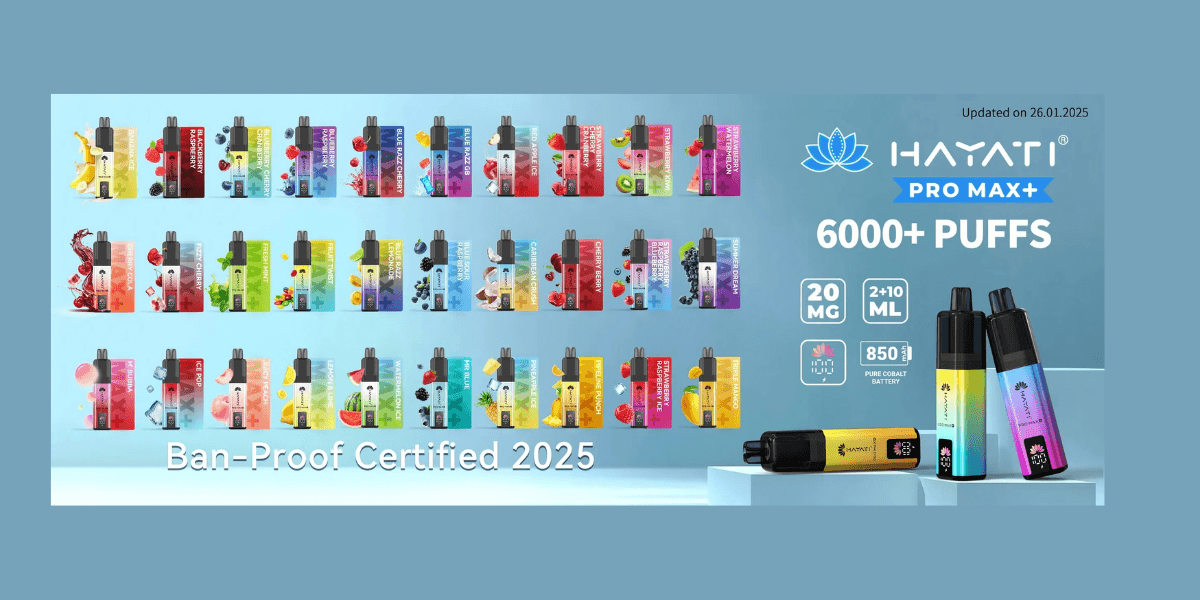
Top Hayati Pro Max Plus Flavours for Best Vaping Experience
The Real Reason Vapers Are Switching to Lost Mary BM6000
How to Use the Hayati Pro Max Plus 6000 Pods?
Why Vapers Love the Al Fakher 30K Hypermax Kit

Kinder Joy Stranger Things Netflix Funko Pop–Style Egg UK

Top Reasons to Choose the Hayati Pro Max Plus 6000 Vape Kit